
What Kind of Charger Does My Phone Use? A Comprehensive Guide
Introduction
Identifying the right charger for your phone is essential for ensuring optimal device performance and extending battery life. Users often face difficulties determining which charger is compatible with their device due to the multitude of available options. This comprehensive guide will help you understand the different charger types, recognize what your device uses, and decide what steps to take if you need a replacement. By the end, you’ll feel confident in selecting the correct charger for your phone.
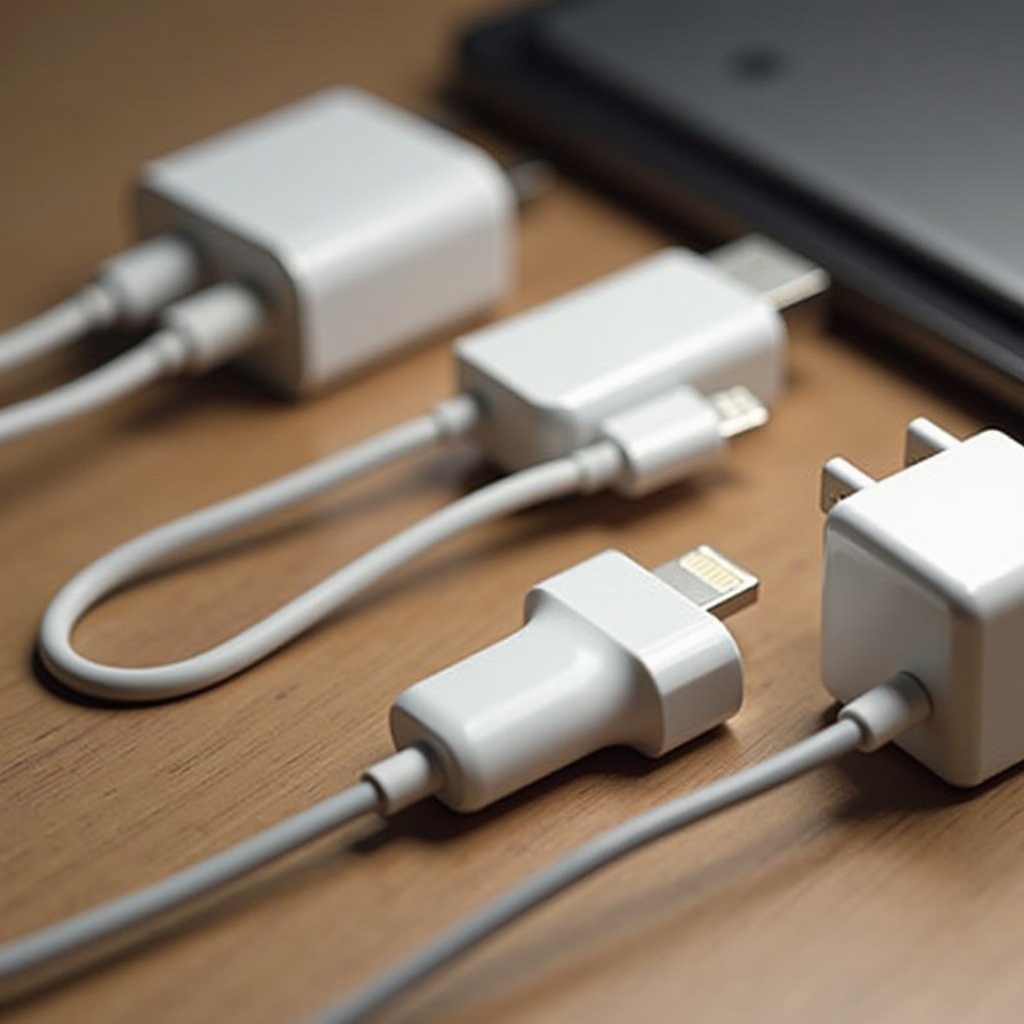
Types of Phone Chargers
In today’s tech environment, three main types of chargers are prevalent in the market.
USB-C Chargers
USB-C is now the standard for many modern smartphones. It offers fast charging and data transfer rates, making it a preferred choice for manufacturers like Samsung and Google. USB-C’s universal compatibility and efficient performance make it highly sought after.
Lightning Chargers
Lightning chargers are exclusive to Apple devices, known for their sleek and durable design. If your device is an iPhone, iPad, or iPod produced after 2012, a Lightning cable is likely your requirement. Apple’s proprietary technology supports a secure and reliable charging experience.
Micro-USB Chargers
Although it is technologically surpassed by USB-C, the Micro-USB charger still finds functionality in budget smartphones, some Android devices, and older electronics. Its widespread availability and affordability keep it in use.
Understanding these charger types is crucial as many people still rely on older models. Now, let’s look into how to precisely identify your phone’s charging port.
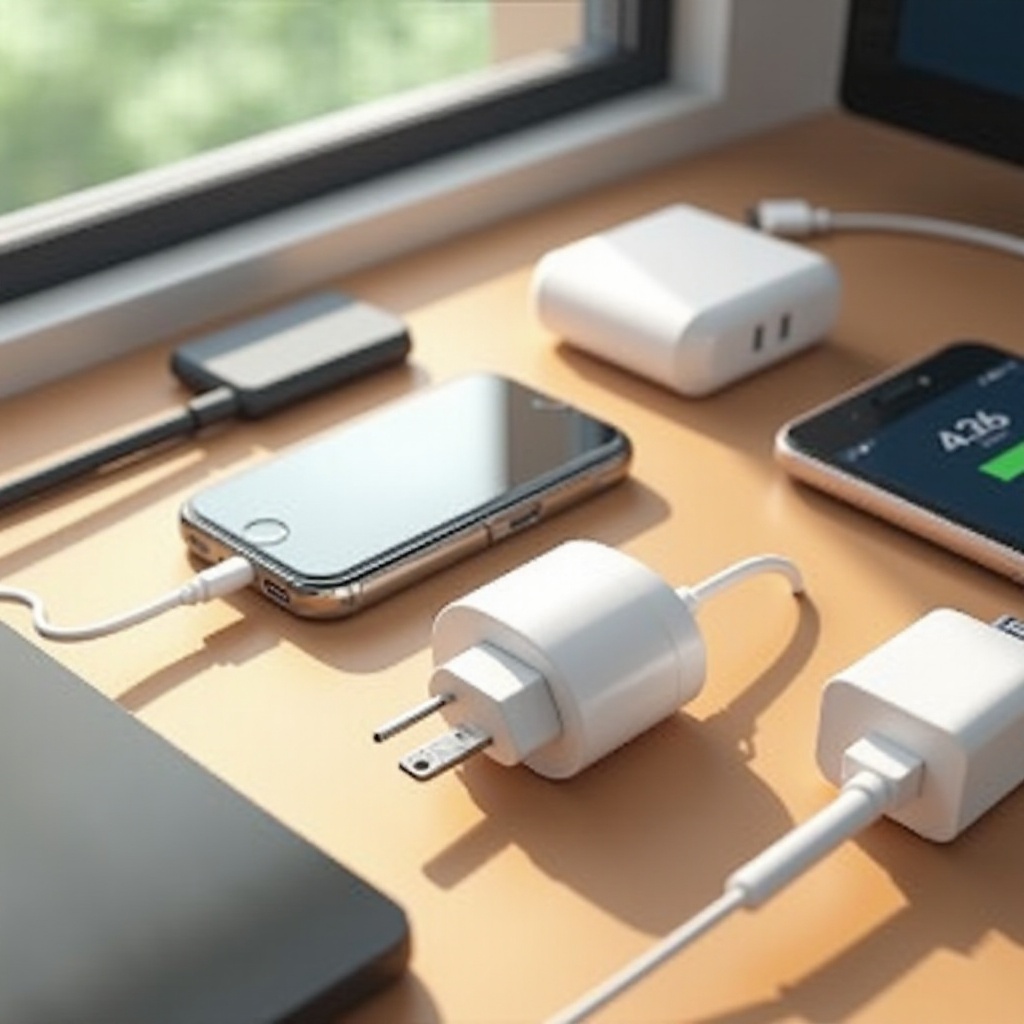
How to Identify Your Phone’s Charging Port
Identifying your phone’s charger is easier than it seems with the right steps.
Checking the Manufacturer’s Specifications
- Consult Your Phone’s Manual: The manual is a reliable source for charger specifications.
- Visit the Manufacturer’s Website: Online resources provide official details about your device’s charger type.
Visual Inspection Methods
- Examine Your Current Charger: Compare it with online images of USB-C, Lightning, and Micro-USB connectors.
- Note Connector Size and Shape: Differentiating between types can often be achieved through size and shape inspection.
Using Online Resources and Guides
- Search Brand-Specific Forums: Enthusiast platforms offer valuable user insights and advice.
- Official Support Channels: Direct communication with support can result in exact guidance.
After identifying the right charger, it is important to understand how to use it safely and effectively.
Compatibility and Safety Concerns
Compatibility and safety should be a priority when selecting your phone’s charger to prevent damage.
Risks of Using the Wrong Charger
- Overheating potential
- Damage to the battery
- Possible warranty void
Ensuring Cross-Platform Compatibility
- Utilize certified cables and adapters
- Avoid third-party chargers without clear certifications
Certified vs. Non-Certified Chargers
Choose chargers that carry manufacturer certifications to ensure they meet safety standards and compatibility needs.
With the basics of compatibility covered, it’s wise to dive into the advantages of fast charging.
Understanding Fast Charging and Its Benefits
Fast charging is a game-changer for those who need their phones powered quickly.
How Fast Charging Works
- Increases the electricity flow to charge the battery faster
- Designed for quick and efficient power-ups
Devices that Support Fast Charging
- Flagship models like those from Samsung, Apple, and OnePlus
- Verify through device specifications
Pros and Cons of Fast Charging
- Pros: Time-saving, convenient for on-the-go users
- Cons: Potential for heat increase, affecting battery health if overused
While fast charging is beneficial, proper usage can extend battery longevity. Let’s see what new technologies are emerging in the world of charging.
Future of Charging Technologies
Technology continues advancing, bringing creative solutions for phone charging.
Wireless Charging Innovations
- Provides a clutter-free and convenient experience
- More devices are integrating this technology
The Move Towards Universal Chargers
- Encourages a unified charging standard
- Simplifies usage across various devices
Sustainability with Eco-Friendly Chargers
- Introduction of solar-powered chargers
- Use of recycled materials in charger manufacturing is growing
Future developments are rapidly changing how we charge our devices, but sometimes we need immediate solutions if a charger is lost.
What to Do If You Lose Your Charger
Losing a charger should not disrupt your routine with these replacement options.
Quick Replacement Options
- Buy directly from the manufacturer for guaranteed compatibility
- Explore major electronics retailers for suitable replacements
Recommendations for Universal Chargers
- Opt for well-reviewed, reputable brands
- Ensure they hold the necessary certifications
Buying Tips for Reliable Charging Accessories
- Review customer feedback and ratings
- Confirm the warranty and return policies
Equipped with these tips, finding a reliable and compatible charger becomes a straightforward task.
Conclusion
Understanding your phone’s charger type is essential for ensuring efficient charging and enhancing the longevity of your device. Always adhere to recommended guidelines for using and maintaining your charger to ensure a longer-lasting, efficient device experience.
Frequently Asked Questions
How can I tell if a charger is fast charging?
Look for labels like ‘Quick Charge’ on the charger or verify through your device’s charging time improvements.
Are aftermarket chargers safe to use with my phone?
Use aftermarket chargers from reputable brands with necessary certifications for safety and compatibility.
Is it harmful to leave my phone charging overnight?
Modern phones manage charging to prevent overcharging, but regular long-term charging may affect battery health.