
How to Take a Screenshot on a Mac: A Comprehensive Guide
Introduction
Capturing screenshots on a Mac is a vital skill for anyone needing to save on-screen content. Whether you’re a student, professional, or just someone who wants to keep a record of something important, knowing the right methods helps you do it efficiently. This guide will detail various options, from quick shortcuts to advanced tools in macOS, to help you take screenshots like a pro.
Keyboard Shortcuts for Screenshots
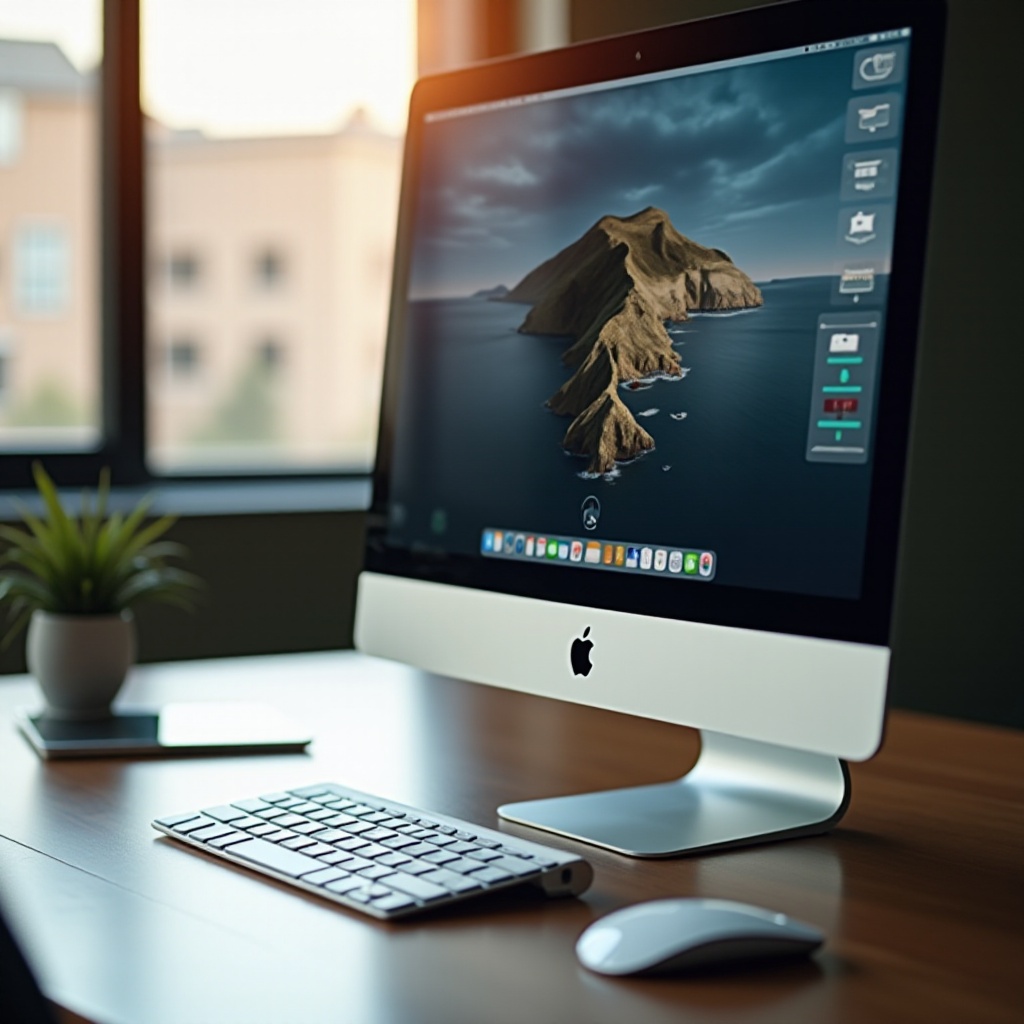
Using keyboard shortcuts is the fastest way to take a screenshot on a Mac. They save time and avoid unnecessary steps:
1. Capture the Entire Screen: Press Command + Shift + 3. This shortcut will save a file of your entire screen to the desktop.
2. Capture a Selected Portion: Press Command + Shift + 4 to change your cursor into a crosshair. Click and drag over the area you want to capture, then release the mouse button.
3. Capture a Specific Window: Press Command + Shift + 4, then hit the Spacebar. Click the window you want to capture once you see the camera icon.
These shortcuts are perfect for quick captures but don’t offer the in-depth features available with the full macOS screenshot tool.
Using the macOS Screenshot Tool
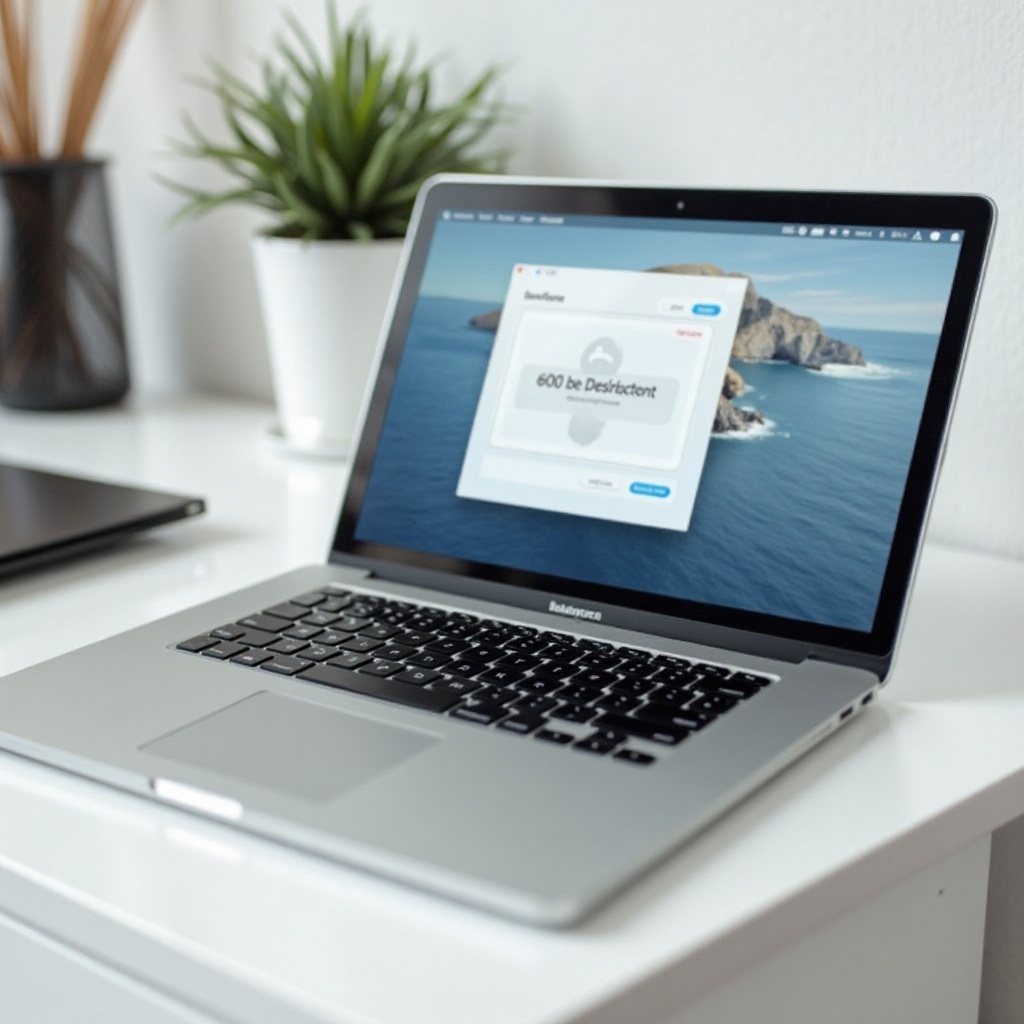
For more options and flexibility, the macOS screenshot tool introduced in Mojave is invaluable:
1. Open the Screenshot Toolbar: Press Command + Shift + 5 to launch the toolbar, providing all screenshot options in one place.
– Toolbar Options: Choose to capture the entire screen, a specific window, or a selected portion. You can also record your screen.
– Using the Floating Thumbnail: After capturing, a thumbnail appears in the corner, allowing quick edits or deletion before saving.
The macOS tool is particularly useful for users needing more than a simple screenshot, offering quick edits right after capturing.
Advanced Screenshot Features
For users seeking even more functionality, macOS offers advanced features:
– Touch Bar for MacBook Pro: If you have a MacBook Pro, your Touch Bar can be customized to include screenshot controls. Simply tap the Screenshot icon to access capture options.
– Saving to Clipboard: By holding Control while taking a screenshot, you can copy it to your clipboard instead of saving it as a file, making it easier to paste elsewhere.
– Timed Screenshots: Use the toolbar’s timer feature to delay capturing, giving you time to set up the perfect shot.
Advanced features in macOS enhance usability by providing additional customization and functionality options suited for different needs.
Editing and Annotating Screenshots
Once you have your screenshot, edit and annotate it using built-in tools to enhance the usefulness of your capture:
– Using the Markup Tool: After clicking the thumbnail, the Markup tool provides options for cropping, annotating, and adjusting your image.
– Third-Party Applications: For advanced editing, apps like Snagit or Skitch offer extensive editing tools and sharing options.
– Export Formats: Though screenshots save as PNG files by default, you can export them to different formats using Preview or other image editors.
Editing ensures that your screenshots not only capture accurately but also convey your message effectively.
Organizing and Managing Screenshots
Managing a collection of screenshots can be overwhelming, but efficient organization can help:
– Change Default Save Location: Access the screenshot toolbar and click ‘Options’ to change the save location from the desktop to a folder of your choice.
– Organizing Files: Consider naming files immediately after saving or use productivity apps to sort and categorize screenshots automatically.
By organizing your screenshots, you prevent clutter and ensure easy access when needed.
Conclusion
Mastering the art of taking screenshots on a Mac is easy and beneficial. Whether you opt for quick keyboard shortcuts or the comprehensive screenshot tool, you can capture exactly what you need with minimal effort. Experiment with the methods shared here to find the best fit for your workflow, and enjoy the seamless experience of using macOS’s robust screenshot capabilities.
Frequently Asked Questions
Why can’t I take a screenshot on my Mac?
Ensure screenshot shortcuts are activated in System Preferences under the Keyboard settings, and check for apps that might interfere.
How do I change the default file format of my screenshots?
Use the Terminal app. Enter ‘defaults write com.apple.screencapture type format’ to change it. Replace format with jpg or pdf.
Can I screenshot a video playing on my Mac?
Yes, use the same methods. Note that some streaming services restrict screenshots to prevent piracy.