
Best EQ Settings for Speakers: Master the Art of Audio Tuning
Introduction
Equalization (EQ) is key to elevating your speakers’ sound to a new level. By adjusting EQ settings precisely, you can enhance your listening experience, making it more vibrant and tailored to your musical tastes and environment. This guide offers insights into crafting the perfect EQ settings for your speaker system.
Understanding Equalization: The Basics
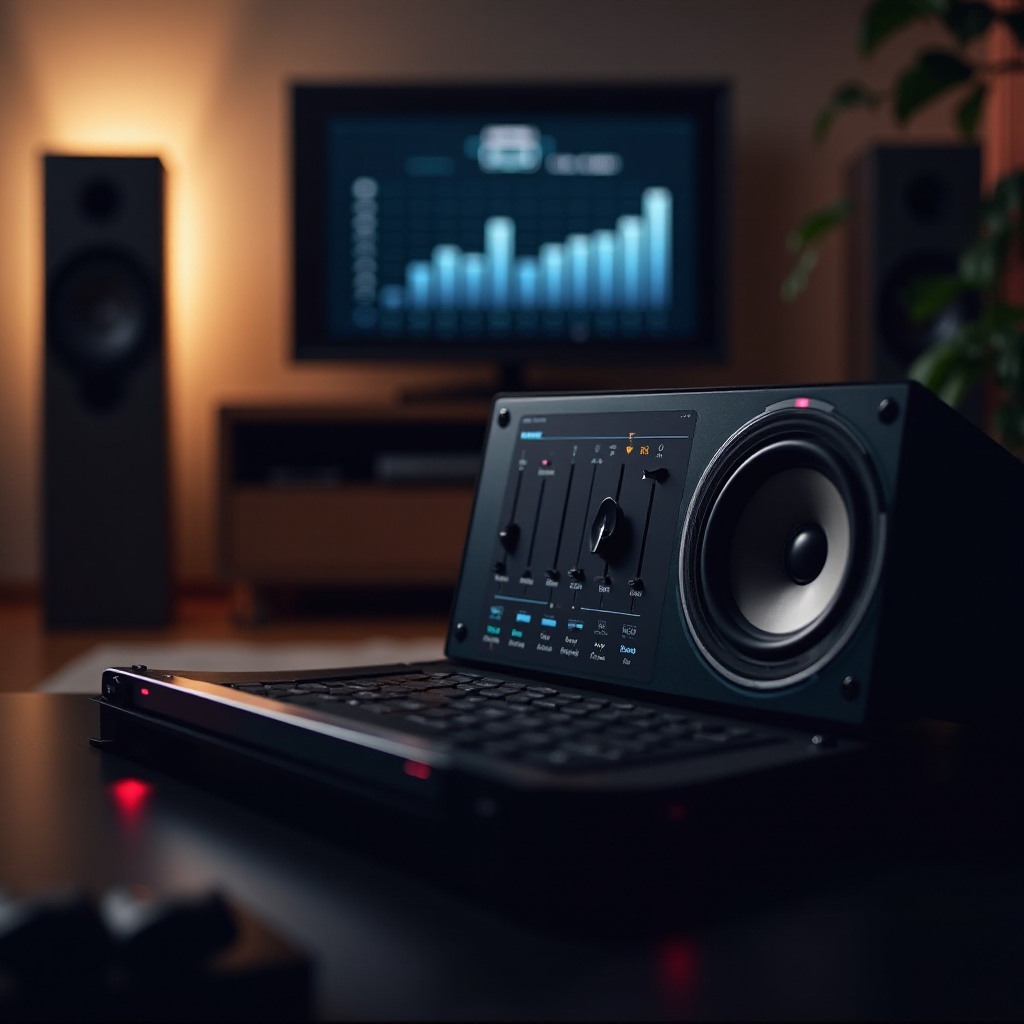
Equalization allows you to balance frequencies like bass, midrange, and treble, shaping the way audio is perceived. Proper EQ adjustments can make your audio sound fuller or clearer based on your preferences. Understanding how these frequency components interact is crucial before diving into customization.
It’s time to explore the different EQ tools that you can use to fine-tune your sound, leading us to the types of EQ.
Types of EQ: Choose the Right Tool for Your Speakers
With various EQ types available, selecting the right one can make a significant difference:
- Graphic EQ: Ideal for visual frequency adjustments, using sliders to tweak different audio bands, often found in consumer audio systems.
- Parametric EQ: Provides comprehensive control over frequency, bandwidth, and gain, suitable for more precise sound tuning.
- Shelving and Paragraphic EQ: Allows adjustments at the frequency spectrum’s edges, while paragraphic EQ offers combined features of graphic and parametric EQ.
Armed with knowledge about EQ types, you are now ready to set baseline EQ settings tailored to your specific speaker setup.
Default EQ Settings: Finding a Good Starting Point
When configuring speakers, establishing a default EQ setting can provide a robust foundation for further refinement:
- Home Audio Systems: Start with a flat EQ, gradually enhancing bass for warmth and depth.
- Car Audio Systems: Adjust midranges to counteract road noise and ensure a balanced listening experience.
- Portable Speakers: Enhance treble for improved clarity, especially useful in outdoor environments.
Default settings provide a good base, allowing you to explore specialized adjustments for different music genres.
Genre-Specific EQ Settings: Tailor Your Sound
Fine-tuning your EQ for specific music genres can further enhance your auditory experience:
- Pop and Rock: Pump up bass and treble for an energetic, vibrant sound.
- Classical and Jazz: Prioritize midrange clarity, minimizing bass for detailed instrumentals.
- Hip-Hop and Electronic: Boost bass significantly to highlight beats and deep rhythms.
Having explored genre-focused settings, it’s important to consider the impact of your listening environment on EQ adjustments.
Environmental Considerations: Adjusting for Your Space
The acoustics of your environment can dramatically affect audio quality. Here are ways to adjust EQ based on space:
- Room Size and Acoustics: Larger spaces might need increased bass to fill the room, whereas smaller spaces benefit from balanced midrange and treble to prevent muddiness.
- Indoor vs. Outdoor Settings: Outdoor environments typically require enhanced treble for clarity, while indoor settings can be highly variable based on furnishing and layout.
Now that you understand spatial considerations, let’s look at how modern tools can assist in achieving the perfect sound balance.
Tools and Apps: Optimize Your EQ Settings with Technology
Leverage technology to enhance your EQ settings effectively:
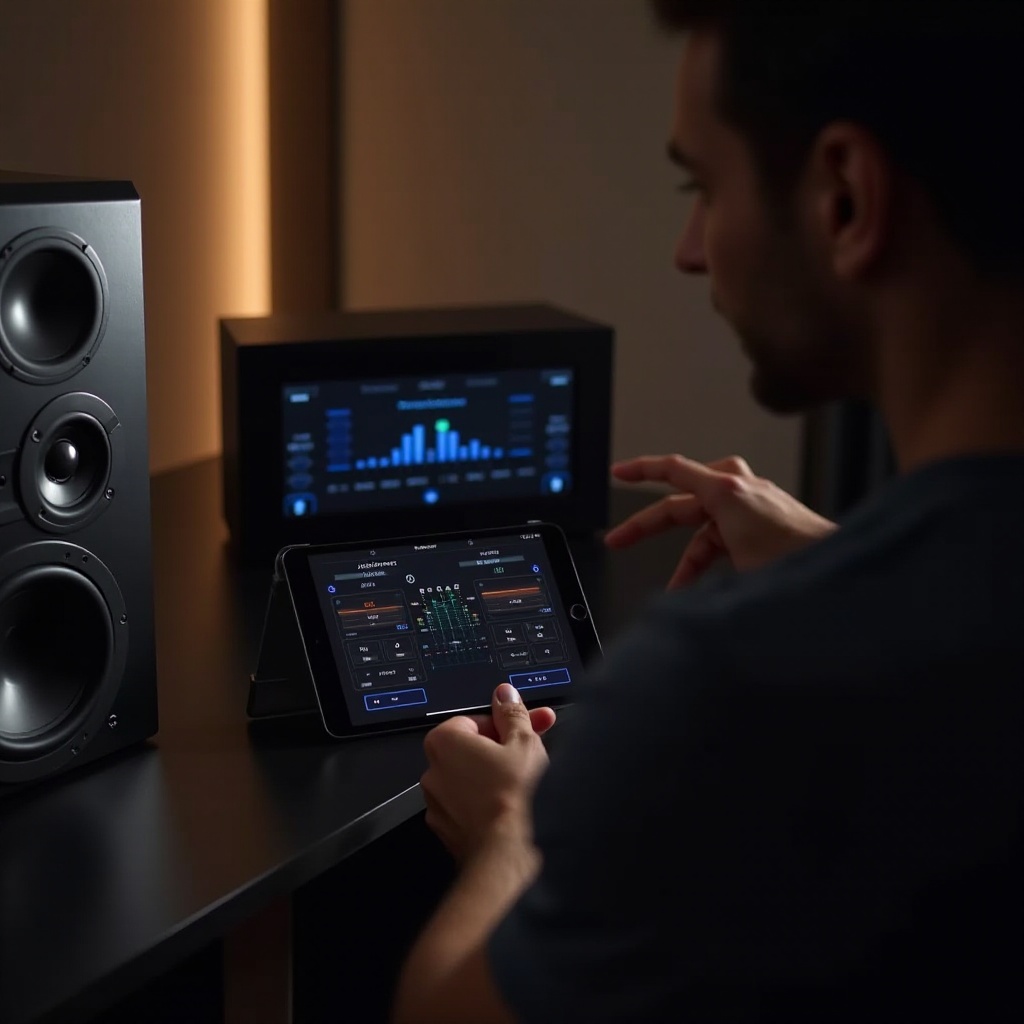
- Software Solutions: Programs like Equalizer APO offer intricate control over frequency settings on desktops and laptops.
- Mobile Applications: Apps like Boom and Poweramp make on-the-go modifications easy, providing user-friendly interfaces for quick adjustments.
With the aid of these digital tools, refining your sound becomes a streamlined process, leaving space for fine-tuning to perfection.
Tips for Fine-Tuning Your EQ Settings: Achieve Superior Audio Quality
Fine-tuning is the key to unlocking unparalleled audio quality. Follow these steps to perfect your settings:
- Conduct Sound Testing: Play a diverse array of tracks and actively listen to determine areas needing adjustment.
- Avoiding Common Pitfalls: Refrain from excessively boosting frequencies like bass, as this can lead to distortion, maintaining a balanced, natural sound.
These guidelines ensure your audio maintains clarity and integrity across all music and environments.
Conclusion
Mastering EQ settings for your speakers can significantly impact your audio enjoyment. From understanding EQ basics to leveraging technology and making genre and environment-specific adjustments, your journey to superior sound starts here. Now, it’s your turn to explore and experiment, crafting a listening experience tailored to your unique tastes.
Frequently Asked Questions
What are the best EQ settings for general listening?
A flat EQ setting is typically ideal for general listening, allowing you to tweak based on environment and music preferences.
How do I know if my EQ settings are correct?
Evaluating your settings involves listening to various genres. If the sound remains clear and balanced across all tracks, the settings are likely optimal.
Can incorrect EQ settings damage my speakers?
Excessive boosting, particularly of bass frequencies, can strain and potentially damage speakers. Aim for a balanced setting to ensure longevity.