
Best Condenser Microphones for Vocals
Introduction
Selecting the optimal microphone is essential for achieving stellar vocal recordings. Condenser microphones are renowned for their sensitivity and expansive frequency response, making them a top choice for vocalists and audio engineers alike. Whether in a professional studio or a home setup, the right condenser microphone can dramatically enhance the clarity and depth of your recordings. In this article, we delve into the advantages of condenser mics, key features to consider, and our top choices for the best condenser microphones for vocals in 2024.

Why Choose a Condenser Microphone for Vocals?
Condenser microphones are favored for their ability to capture the fine nuances of a voice. Here are the reasons they are often the preferred choice:
-
Technical Advantages: These microphones have a lightweight diaphragm that reacts swiftly to sound waves, providing high sensitivity. This precision allows them to capture intricate details, ensuring a crisp and clear output. Their wide frequency response faithfully reproduces both the low and high ends of a vocal performance.
-
Popularity in Professional Settings: Known for delivering studio-quality sound, condenser microphones are the go-to for recording vocals, podcasts, and voiceovers. Their accuracy and clarity make them ideal for capturing exceptional audio in various projects.
Understanding these advantages leads us to the key features that make a microphone ideal for vocal recording.
Key Features to Look for in a Vocal Microphone
When you’re choosing a condenser microphone for recording vocals, certain features are crucial for optimum performance:
-
Frequency Response: Seek a microphone with a linear frequency response that encompasses the full vocal range. This ensures no part of the performance is lost or exaggerated, yielding a natural sound.
-
Sensitivity and SPL: A microphone with high sensitivity captures even the faintest vocal nuances, while a high SPL (Sound Pressure Level) rating prevents distortion during loud performances.
-
Pickup Patterns: Cardioid patterns are perfect for isolating the singer’s voice and reducing background noise. However, if recording multiple vocalists, consider an omnidirectional or bi-directional pattern.
With these features in mind, let’s transition to exploring the top picks for condenser microphones in 2024.
Top Picks for 2024: Best Condenser Microphones for Vocals
Here is our curated list of the best condenser microphones for vocals this year:
-
Microphone A: Known for its unmatched sensitivity and clarity, Microphone A utilizes advanced diaphragm technology to provide a balanced frequency response. It features a robust design suitable for various environments. Pros include exceptional detail and low self-noise, while the price point may be a con.
-
Microphone B: This versatile microphone offers multiple polar patterns and extended frequency response, making it ideal for singers needing adaptability. Pros include versatility and clear sound, though its bulkier size may not be to everyone’s liking.
-
Microphone C: Perfect for capturing warmth and richness, Microphone C excels in studio settings. Its broad frequency response suits diverse vocal styles. Pros include rich sound quality and a sturdy build, with potential cons such as heightened sensitivity to humidity.
Considering these models will ensure high-quality vocal recordings. Next, let’s discuss tips to optimize your use of these microphones.
Tips for Optimal Vocal Recording with Condenser Microphones
To achieve optimal results with your condenser microphone, follow these guidelines:
-
Proper Microphone Placement: Position your microphone 6 to 12 inches from the singer to balance detail and prevent distortion. Experiment with angles to find the optimal placement for your voice.
-
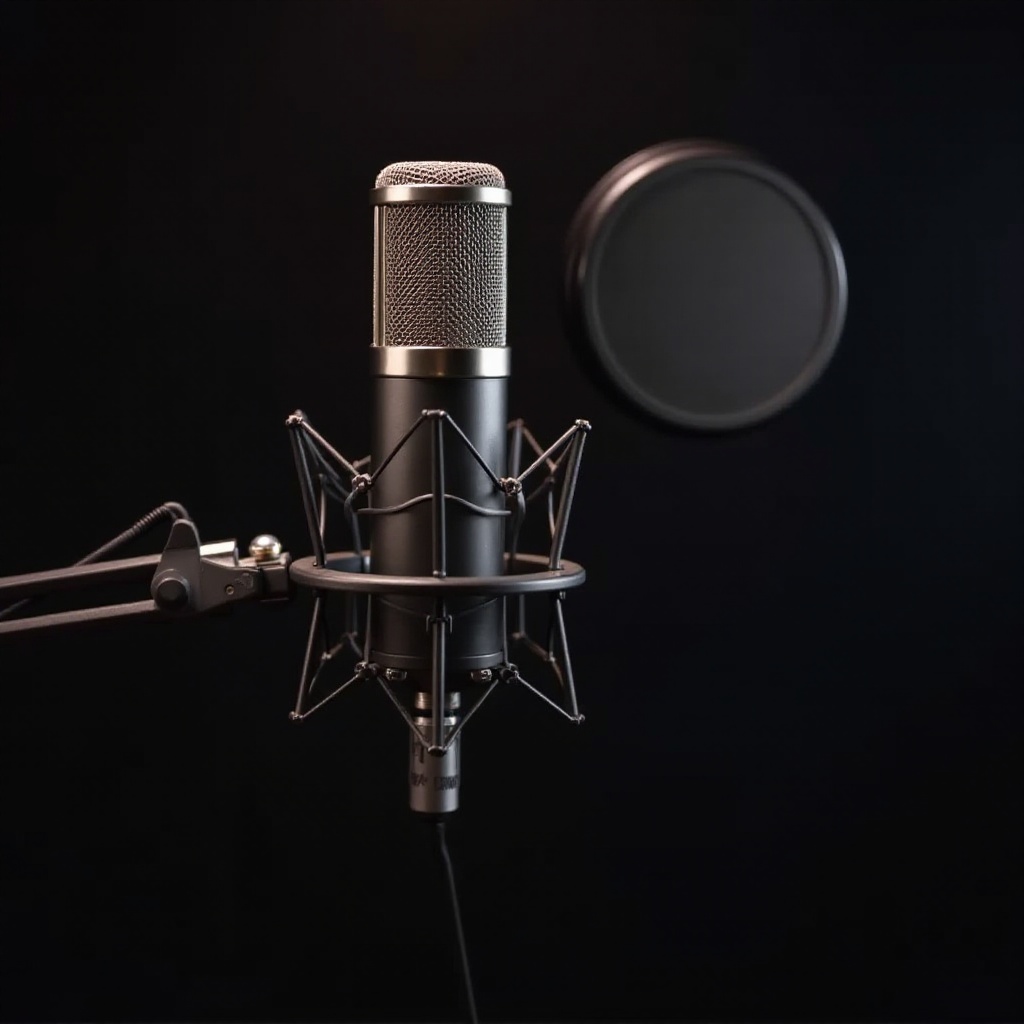
Using Accessories like Pop Filters and Shock Mounts: Employ pop filters to decrease plosive sounds for improved clarity. Shock mounts reduce vibrations from stands or surfaces that could cause noise interference.
Following these tips can greatly enhance the quality of your recordings.
How to Choose the Right Microphone for Your Needs
Choosing the right microphone is not just about technical specs; practical and personal considerations are equally important:
-
Assessing Your Environment: Evaluate the acoustics of your recording space. A well-treated room can significantly enhance any microphone’s performance.
-
Budget Considerations: While high-end models offer excellent performance, they also come at a cost. Determine which features matter most to you and select a model that meets your budget requirements.
-
Exploring Personal Preferences: Consider the sound qualities you prefer in your recordings. Are you after a warmer tone, or a crisper one? This will help you choose a microphone that fits your artistic vision.
With these insights, you’re better equipped to find a microphone that aligns with your specific needs.
Conclusion
Condenser microphones are invaluable for vocalists eager to achieve professional-quality recordings. Understanding their benefits and knowing what features to prioritize are crucial. By exploring our top picks for 2024, you are well-positioned to make a choice that will elevate your recordings. Let your vocals soar with the right condenser microphone.
Frequently Asked Questions
What is the difference between condenser and dynamic microphones?
Condenser microphones are more sensitive and capture a broader frequency range, ideal for studio recordings. Dynamic microphones are robust and handle high volumes well, making them suitable for live settings.
How do I maintain my condenser microphone?
Regularly clean the exterior with a soft cloth, and use a dust cover when the microphone is not in use. Ensure proper humidity control in your recording environment to protect sensitive components.
Can I use a condenser microphone for live performances?
Although possible, condenser microphones are typically more suited for controlled studio environments due to their sensitivity. Dynamic microphones are usually preferred for live performances because of their durability.