
The Ultimate Guide to Choosing a High-Resolution Picture Scanner
Introduction
High-resolution picture scanners elevate the art of digitizing images, allowing even the finest details to be captured with precision. Whether you are an amateur photographer or a business professional, selecting the right scanner can make all the difference. This guide delves into high-resolution picture scanners, exploring features, types, and essential tips to help you make an informed purchase decision.
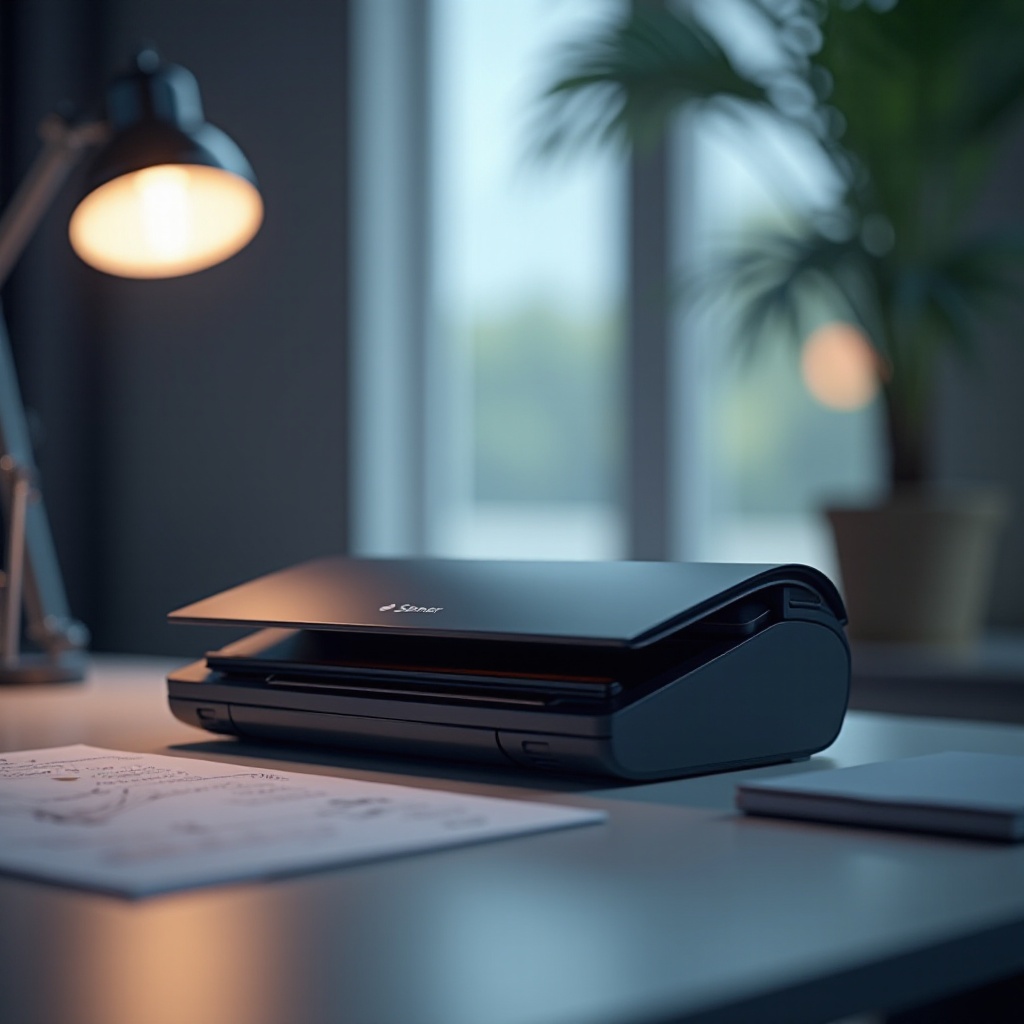
Understanding High-Resolution Picture Scanners
Before diving into specific models, it is crucial to understand what makes a scanner ‘high-resolution.’ These scanners are distinguished by their ability to deliver sharp, detailed images. The key specifications that dictate this capability include DPI (dots per inch) and color depth. A high-resolution scanner generally features a DPI of 1200 or higher, ensuring that even the minutest details are accurately captured. Meanwhile, color depth, measured in bits, determines the range of colors a scanner can reproduce. A higher bit depth signifies a broader spectrum of colors and smoother gradations between them, crucial for preserving the integrity of scanned images.
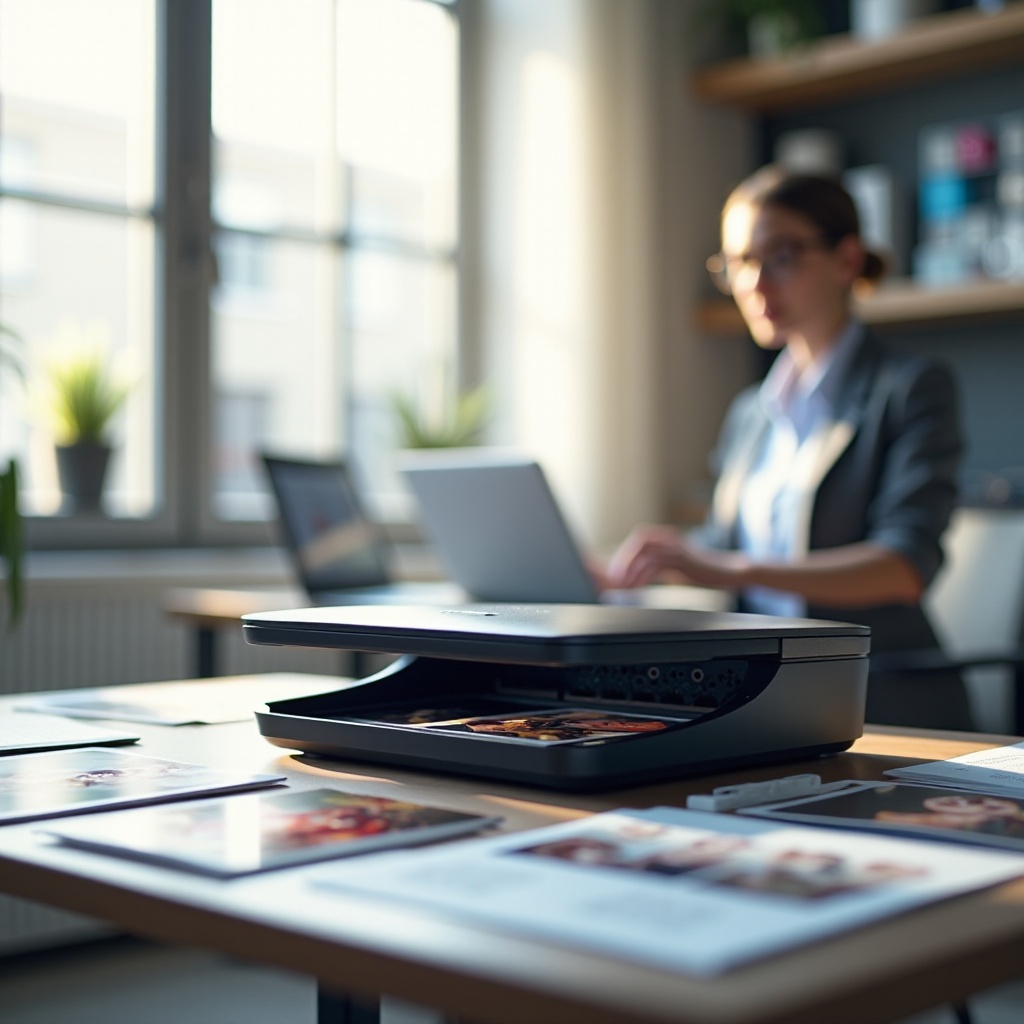
Types of High-Resolution Scanners
Different types of high-resolution scanners are designed to meet specific needs and use cases. Understanding these options helps in selecting the scanner that aligns best with your requirements.
-
Flatbed Scanners: Flatbed scanners are highly versatile and commonly used for a variety of materials such as photos, documents, and books. Their design allows users to scan thick or bulky items with ease, making them an ideal choice for high-resolution photo scanning at both home and office settings.
-
Sheet-fed Scanners: Designed for efficient, high-volume scanning tasks, sheet-fed scanners automatically process multiple pages sequentially. While they are perfect for document-heavy environments, their mechanism may not be suitable for delicate photographs.
-
Portable and Handheld Scanners: For those on the move, portable and handheld scanners offer convenience without tethering you to a specific location. Though they may not always match the DPI capabilities of larger models, advancements have made many portable scanners highly effective for quick, quality scans.
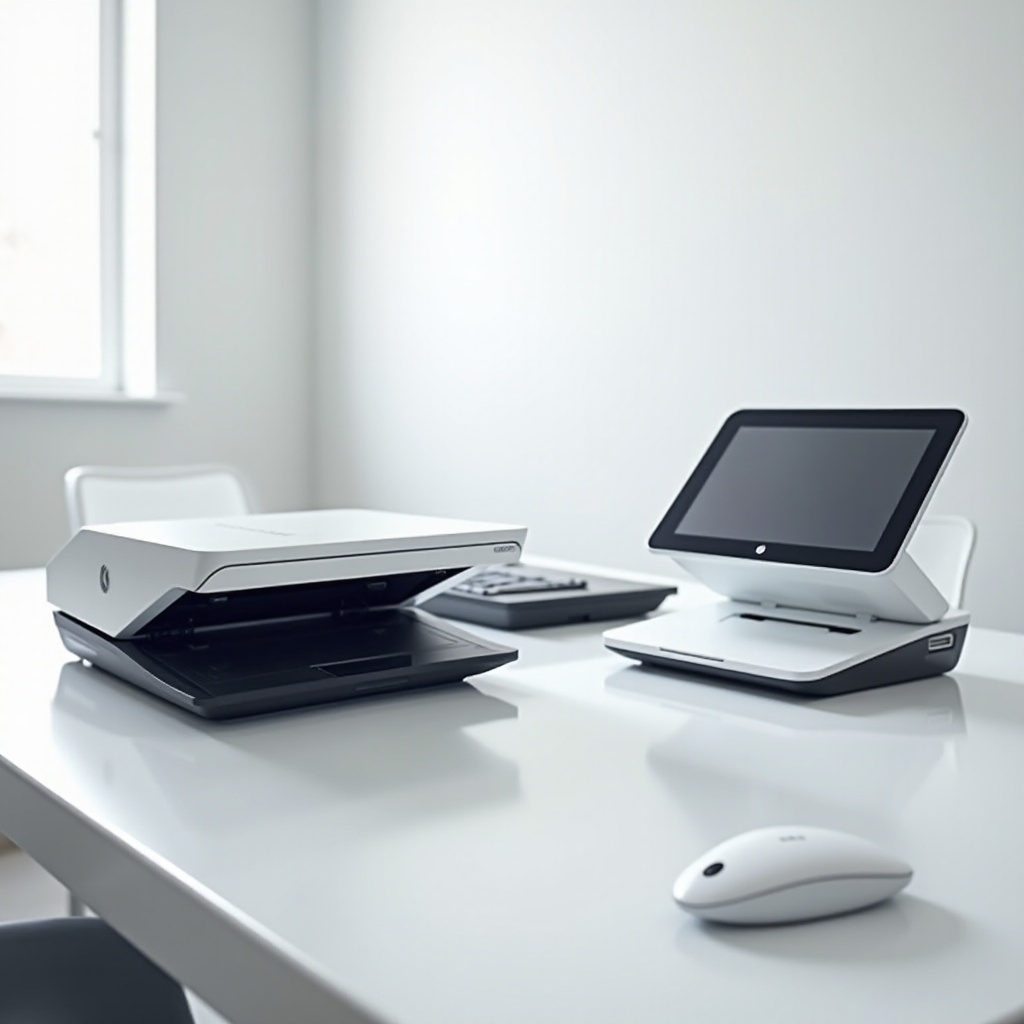
Key Features to Look For in 2024
When assessing high-resolution scanners this year, focus on these crucial features to ensure you select a model that meets your demands:
- DPI (Dots Per Inch): For crisp, clear images, a scanner with a minimum of 1200 DPI is advisable, providing detailed and precise image reproduction.
- Color Depth: Opt for scanners offering a 48-bit color depth, which will help in capturing rich, detailed, and true-to-life images.
- Connectivity Options: Ensure your scanner includes various connection options like USB, Wi-Fi, or even cloud capabilities for seamless integration with your tech ecosystem.
These features not only ensure scanning excellence but also compatibility with contemporary technological devices and workflows.
Top High-Resolution Scanners of 2024
Considering the features discussed, several top models merit attention this year:
-
Overview of Leading Brands: Leading brands like Epson, Canon, and HP continue to dominate the market with innovative technologies and dependable performance.
-
Comparison of Popular Models:
- Epson Perfection V600: Celebrated for its superior photo scanning capabilities, it is a favorite among photography enthusiasts.
- Canon CanoScan Lide 400: This model provides high-quality scanning in a sleek, compact design, perfect for personal and professional use.
- HP ScanJet Pro 2500 f1: Known for its robust performance, it excels in environments where high-volume, rapid scanning is necessary.
Each of these models offers a unique blend of features, catering to different needs—from Epson’s attention to photographic detail to HP’s ability to handle large scanning jobs efficiently.
How to Choose the Right Scanner for Your Needs
Selecting the right scanner involves evaluating your unique requirements and circumstances.
- Assessing Personal and Professional Needs: Consider the primary tasks you will use the scanner for, as this will help prioritize necessary specifications like DPI or portability.
- Budget Considerations: Establish a realistic budget that balances cost with the feature set you need to achieve your goals.
- Space and Ease of Use: Keep in mind the physical dimensions of the scanner and how it will fit into your workspace. User-friendly interfaces and straightforward maintenance are also key factors.
These steps ensure that you invest in a scanner that not only meets your technical requirements but also aligns with your practical considerations, providing the best overall value and satisfaction.
Conclusion
Choosing a high-resolution picture scanner is more than a purchase; it is an investment in preserving and enhancing your digital imaging capability. By understanding the distinct types of scanners, evaluating essential features, and considering the needs specific to your situation, you can make an informed decision. Whether for safeguarding family memories or executing professional projects, the right scanner empowers you to achieve remarkable results.
Frequently Asked Questions
What is the best DPI for scanning pictures?
Ideally, aim for at least 1200 DPI to ensure clarity and detail in your digitized images.
How do I maintain the quality of my scanned images?
Regularly clean the scanner bed and use the manufacturer’s recommended settings. Store scanned files in high-quality formats like TIFF or PNG.
Are there any reliable portable high-resolution scanners in 2024?
Yes, brands like Fujitsu and Doxie offer reliable portable scanners that balance performance with convenience without compromising on resolution.