
Understanding Speaker Sizes: What You Need to Know
Introduction
Selecting the right speaker size is crucial whether you are setting up a home audio system or enhancing your car’s sound. The right choice will not only improve sound quality but also ensure efficient use of space. This guide provides a detailed understanding of different speaker sizes, how they influence sound quality, and how to choose the best fit for your specific needs.
The Basics of Speaker Size
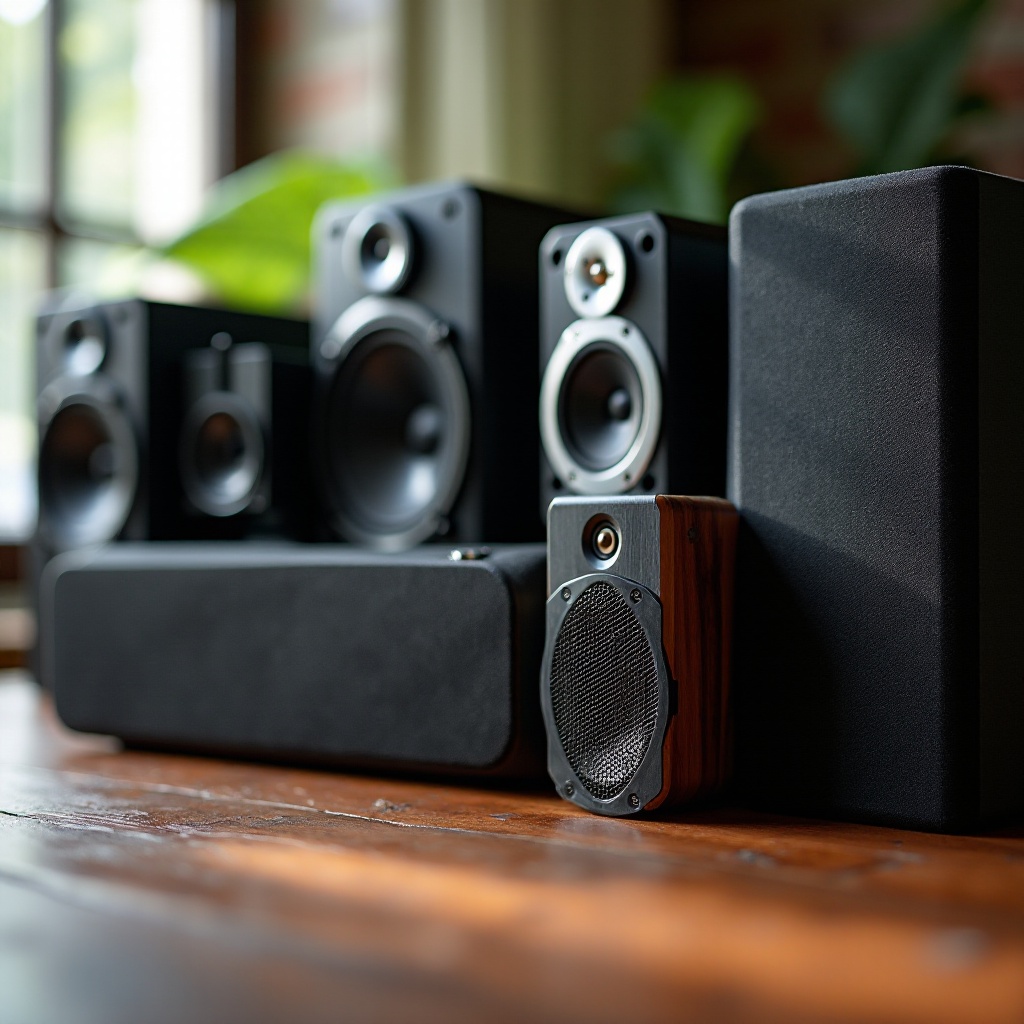
Before purchasing, it’s essential to grasp how speaker sizes are determined. Typically, the size refers to the diameter of the speaker cone, usually measured in inches. For instance, a 6.5-inch speaker denotes the width of its main component. This measurement affects both sound output and physical installation, influencing factors like bass capacity and clarity.
How Speaker Size is Measured
Speaker size is primarily gauged by the diameter of the driver or cone. This dimension plays a crucial role because it determines the speaker’s capability to reproduce various audio frequencies adequately. Larger diameters often mean better handling of low frequencies, producing deeper bass sounds.
Different Types of Speaker Sizes
Understand that speakers come in diverse forms, each intended for specific environments, uses, and sound qualities. The selection can significantly affect both the audio experience and room aesthetics.
Bookshelf Speakers
Compact and versatile, bookshelf speakers are designed to fit on shelves or small areas, making them an excellent choice for confined spaces. They typically range from 4 to 8 inches and offer a good balance between sound quality and space efficiency.
Floor-standing Speakers
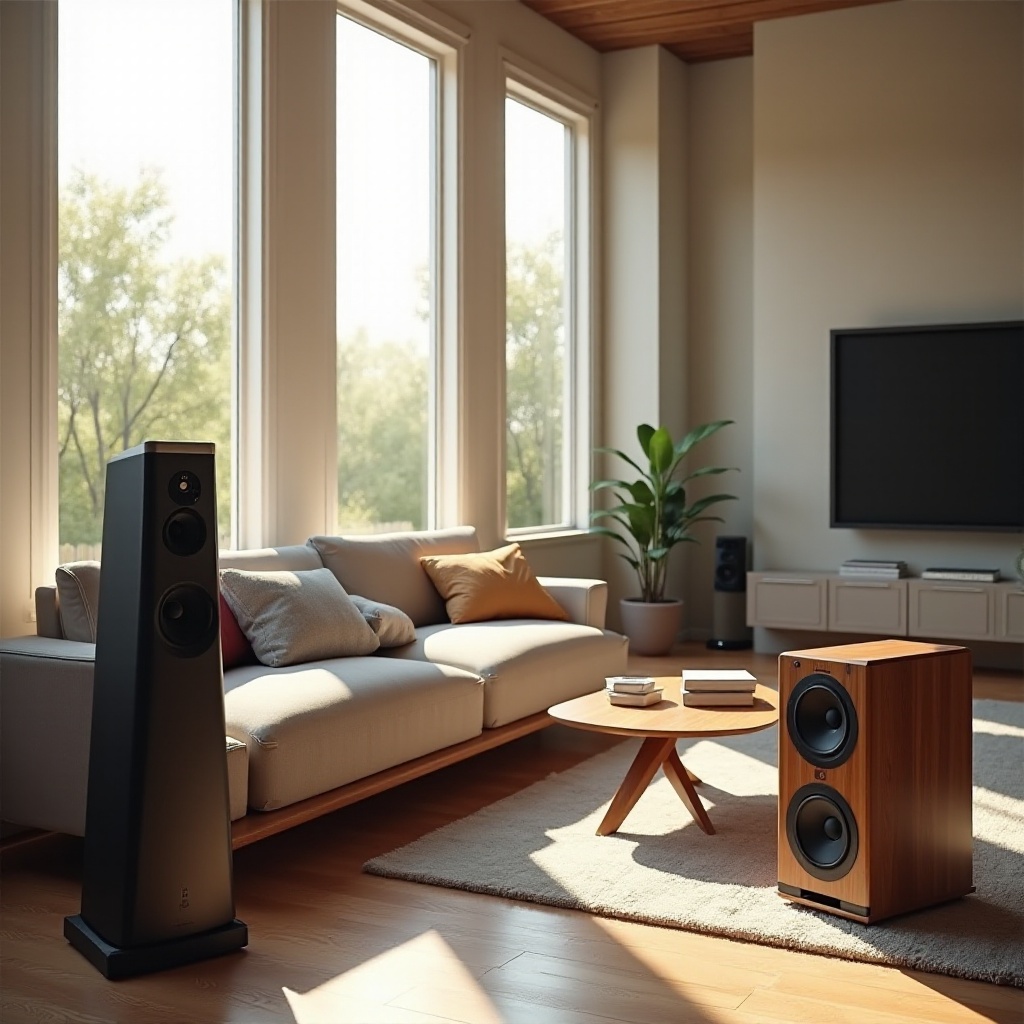
These are larger and generally stand on the floor, capable of delivering richer and more robust sound. Sizes start from 8 inches and above, making them suitable for comprehensive home audio systems.
Subwoofers
Subwoofers focus on low-frequency sounds or bass enhancement, ranging from 8 inches to over 15 inches. They are indispensable for home theaters or bass enthusiasts seeking deep, resonant sound.
In-wall and In-ceiling Speakers
For a seamless audio setup, in-wall and in-ceiling speakers offer a subtle solution, fitting directly into your architecture. Sizes vary but generally align with typical measurements like 6.5 to 8 inches, perfect for creating an immersive sound environment without occupying floor space.
How Speaker Size Affects Sound Quality
Size significantly influences the sound quality of speakers. Knowing the correlation between size and audio performance is key to selecting the right speaker.
Frequency Range
Larger speakers handle lower frequencies better, producing deeper bass tones. In contrast, smaller speakers excel in high frequencies, tackling treble and mid-range sounds with precision.
Volume and Clarity
Bigger speakers usually support greater volume levels without distortion, while smaller models typically offer superior clarity in high-pitched sounds. Striking the right balance between size and sound output is crucial for optimal performance.
Choosing the Right Speaker Size for Your Space
Your environment plays a vital role in the selection process. The size and acoustics of the room will help determine the most suitable speaker size.
Tips for Small Rooms
In limited spaces, smaller speakers like bookshelf or 4 to 6-inch models offer a practical solution, delivering quality sound without overwhelming the room.
Ideal Sizes for Larger Spaces
For bigger rooms, large floor-standing speakers or subwoofers are perfect. These are generally 8 inches and above, ensuring sound travels effectively and fills the space.
Considerations for Outdoor Use
Outdoor speakers require the ability to project sound over distance and withstand the elements. Opt for weather-resistant options ranging from 6 to 10 inches to ensure quality performance outdoors.
Matching Speaker Sizes with Other Components
An effective audio system involves the harmonious coordination of components. Ensure that speakers are compatible with your audio receiver and other devices.
Compatibility with Amplifiers
Speakers should match amplifiers with similar power ratings to avoid sound distortion. Larger speakers often pair well with higher-wattage amplifiers for optimal audio output.
Pairing with Audio Equipment
Creating a balanced system maximizes sound quality. Balance speaker size with subwoofers and tweeters to achieve a rich and comprehensive audio experience that meets your needs.
Common Misconceptions About Speaker Size
There are several misconceptions around speaker sizes, which can lead to suboptimal purchasing decisions.
Bigger is Always Better?
While it’s true that larger speakers often provide powerful bass, they aren’t automatically the best choice. Room size, placement, and personal audio preferences should guide your selection.
The Myth of Size vs. Audio Quality
Assuming that larger speakers always deliver superior sound quality is misleading. Actual performance depends on factors such as construction, design, and placement.
Conclusion
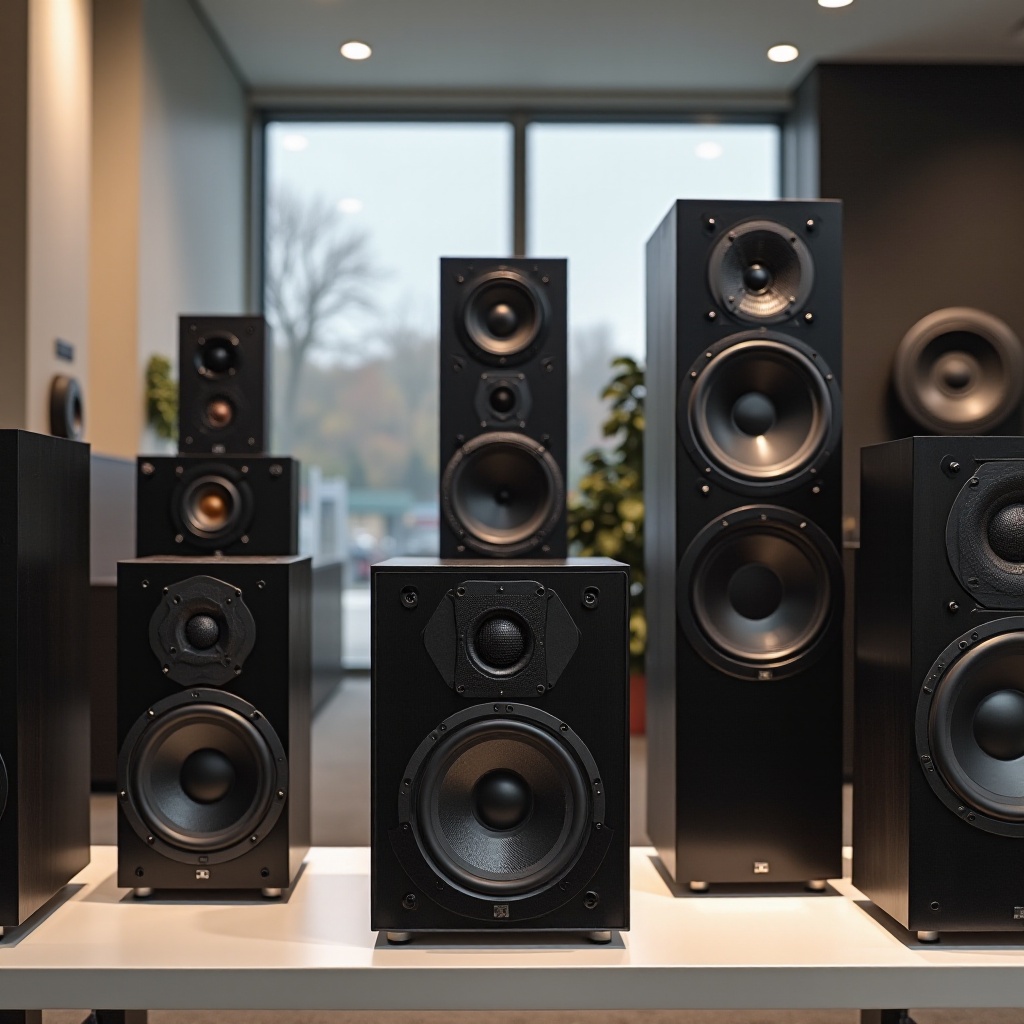
Making an informed decision on speaker size can significantly enhance your auditory experience. Understanding the types, how sizes affect sound, and adapting choices to your environment will lead to better sound reproduction and enjoyment across different settings.
Frequently Asked Questions
What is the best speaker size for a home theater?
For home theaters, combining multiple speaker sizes, such as a large subwoofer for bass (10 to 12 inches) with smaller satellites (4 to 6 inches), creates a balanced, immersive experience.
Can smaller speakers produce good bass?
Smaller speakers can produce good bass through careful design and technology, like active subwoofers paired with bookshelf speakers, yet may not rival the depth of larger models.
How do I choose speaker sizes for my car?
Consider your car’s space and existing audio setup. Standard car speakers are often 6.5 inches, and size should match the designated slot and power compatibility for ideal sound.