
Comprehensive Guide to Choosing Wireless Microphone Systems with Speakers
Introduction
Wireless microphone systems combined with speakers are essential for various events, ranging from large conferences to smaller, intimate gatherings. These systems offer the user the freedom to move without the constraints of cables, ensuring a seamless and engaging presentation experience. In this guide, we explore the components that make these systems invaluable, outline their benefits, and provide insights for choosing and maintaining a system that perfectly aligns with your needs.
Understanding Wireless Microphone Systems
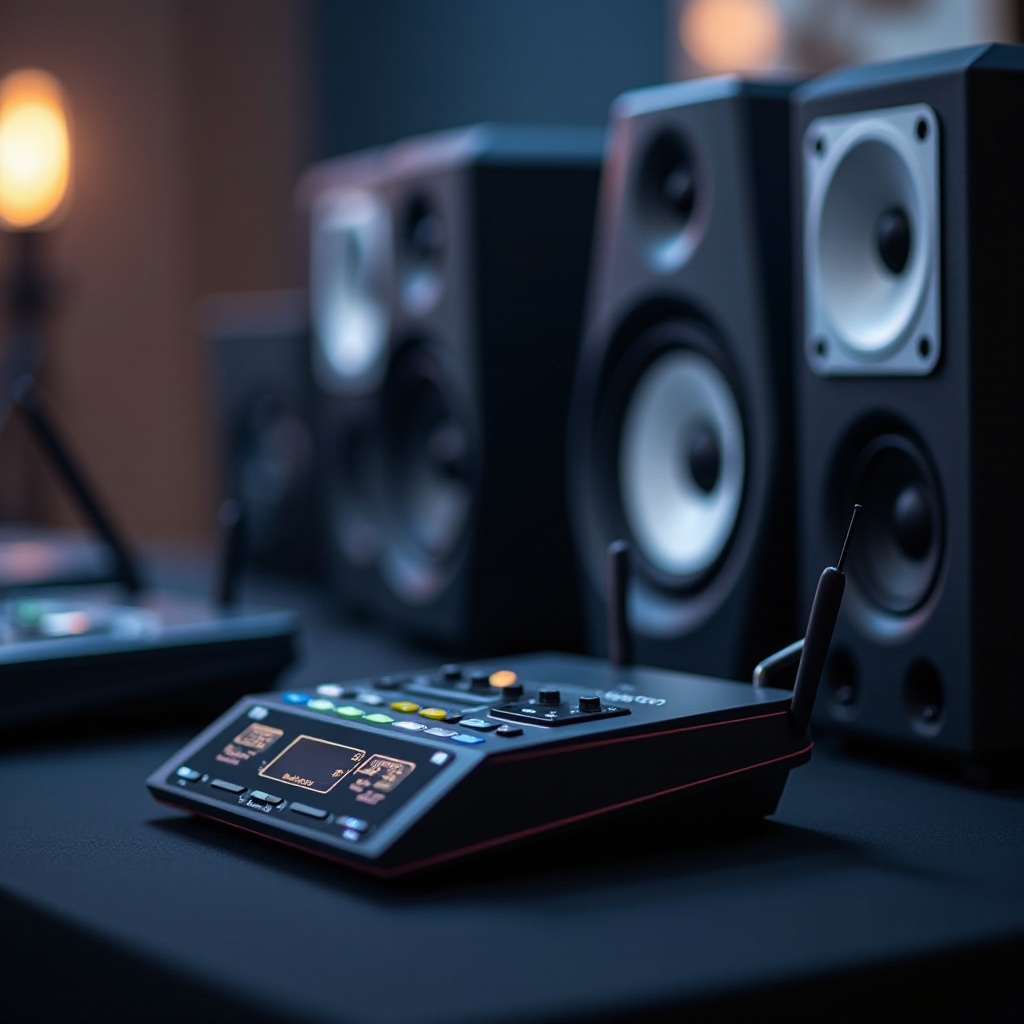
At the heart of a wireless microphone system lies three main components: the microphone, the transmitter, and the receiver. The microphone picks up sound, sending it wirelessly to the receiver, which is connected to an amplifier or speaker. This configuration enables users to move freely across a stage or room without the limitations posed by physical cables, making it a favored choice for dynamic speakers and performers.
These systems provide several advantages, notably greater mobility and flexibility. Users can navigate sizable spaces unencumbered by cords, while integrated digital signal processing enhances sound clarity and minimizes interference, creating a pleasing auditory experience for the audience.
Key Benefits of Wireless Microphone Systems with Speakers
The conveniences of wireless systems stretch beyond eliminated cords:
– Mobility and Flexibility: Enjoy free movement across venues.
– Improved Sound Quality: Many systems now incorporate digital signal processing to boost sound clarity and cut down on interference.
The discussion naturally extends to understanding the types of wireless microphone systems available and how they fulfill varying requirements.
Types of Wireless Microphone Systems
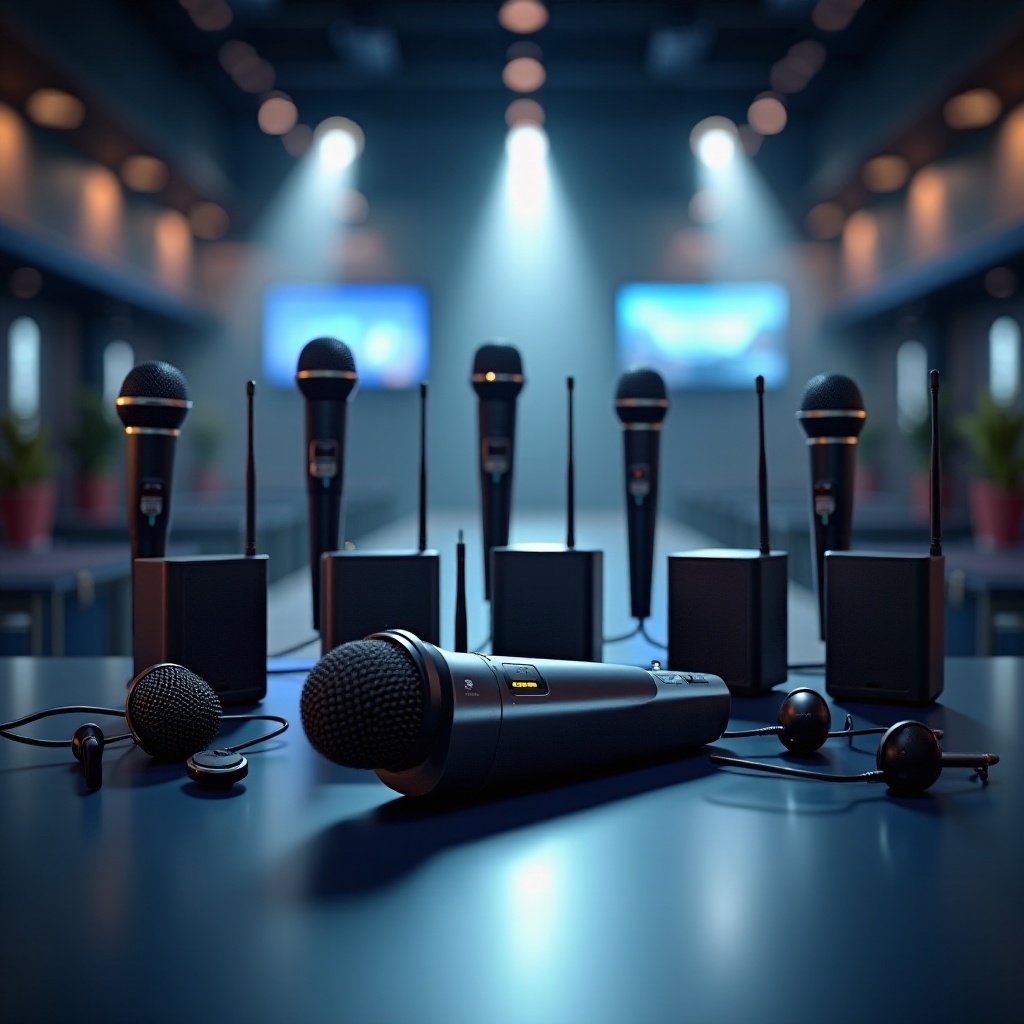
Wireless microphone systems come in diverse forms, each suited to its specific application:
1. Handheld Systems: Ideal for stage performances where passing the microphone is necessary.
2. Lavalier Systems: Perfect for presenters and speakers who need their hands free for gesturing or using other tools.
3. Headset Systems: Favored by fitness instructors and performers who require a secure, hands-free solution so they can remain active.
Selecting the right kind of speakers to pair with your microphone system is equally crucial, as this combination ensures optimal sound output.
Choosing the Right Speakers for Your System
When considering speakers to pair with your wireless microphone system, take note of these factors:
– Active vs. Passive Speakers: Active speakers come with built-in amplifiers, whereas passive speakers need an external amplifier to function.
Key Features to Consider:
– Power Output: This determines how loud and clear your sound output will be.
– Connectivity: Ensure the speakers are compatible with your wireless system’s capabilities, such as Bluetooth or Wi-Fi connectivity.
With an understanding of speakers and their role in the system, it’s beneficial to explore brands and models prominent in 2024 that stand out for their quality and reliability.
Top Brands and Models in 2024
Several top brands are renowned for quality and reliability in wireless microphone systems and compatible speakers:
1. Shure: Known for delivering reliable systems with robust features, such as the Shure BLX series.
2. Sennheiser: Offers high-grade sound with durable systems perfect for professional use; notable is the XSW series.
3. Bose: Renowned for superior speaker quality and integration, making them a preferred choice for high-end use.
Many of these brands provide models replete with features suited to different expertise levels, enhancing your audience’s experience.
Setting Up Your Wireless Microphone System
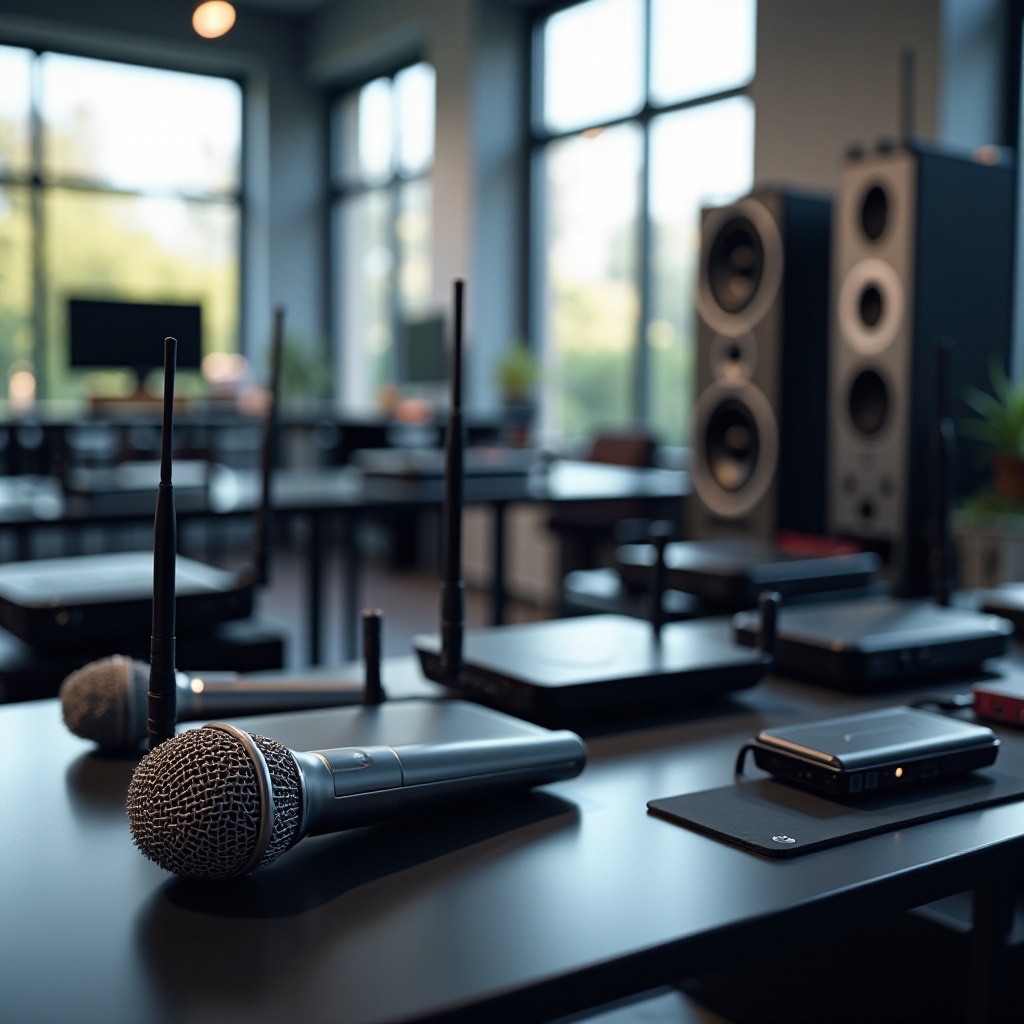
When setting up your system, follow these basic steps for an efficient installation:
1. Unbox and Inspect: Verify all components are present and undamaged.
2. Connect Transmitter and Receiver: Follow manufacturer instructions to pair them, ensuring channels match.
3. Pair with Speakers: Connect the system to your speakers, thoroughly checking connections and ensuring a clear signal path.
4. Sound Checks: Test the microphone and speakers, adjusting volume controls and settings accordingly.
A proper setup not only maximizes performance but also extends the durability of your system. Understanding maintenance steps is the next logical topic.
Maintenance and Troubleshooting Tips
Regular maintenance ensures long-lasting performance and minimal issues:
– Regular Maintenance: Routine cleaning of microphones and checking connections prevent problems.
– Common Issues and Solutions:
– Signal Interference: Shift frequencies or change the receiver’s location to avoid electronic interference.
– Battery Maintenance: Continuously charge or replace batteries to maintain consistent performance.
With these practical tips, users can maintain a high-quality system, ensuring peak performance for all audio needs.
Conclusion
Wireless microphone systems with speakers are an excellent choice for anyone seeking improved audio mobility and quality. By understanding system components, selecting appropriate speakers, considering top brands, and following maintenance tips, users can enjoy a superior auditory experience tailored to their specific needs. Armed with this knowledge, confidently choose and upkeep a system that delivers a seamless audio experience.
Frequently Asked Questions
How far can a wireless microphone system transmit?
Generally, most systems can transmit up to 300 feet, depending on environmental factors and physical obstructions.
Can I use multiple wireless microphones simultaneously?
Yes, using multiple microphones is possible if each operates on different frequencies to avoid interference.
How do I prevent interference with my wireless microphone system?
To reduce interference, use frequency management tools and ensure there is a clear line of sight between the transmitter and receiver.