
How to Perfect Subwoofer Settings for Optimal Sound Quality
Introduction
Subwoofer settings are critical to the sound quality of any audio system. A well-calibrated subwoofer enhances your listening experience, delivering deep and impactful bass that complements the mid and high tones. This guide will help you understand how to optimize your subwoofer settings for the best sound performance.
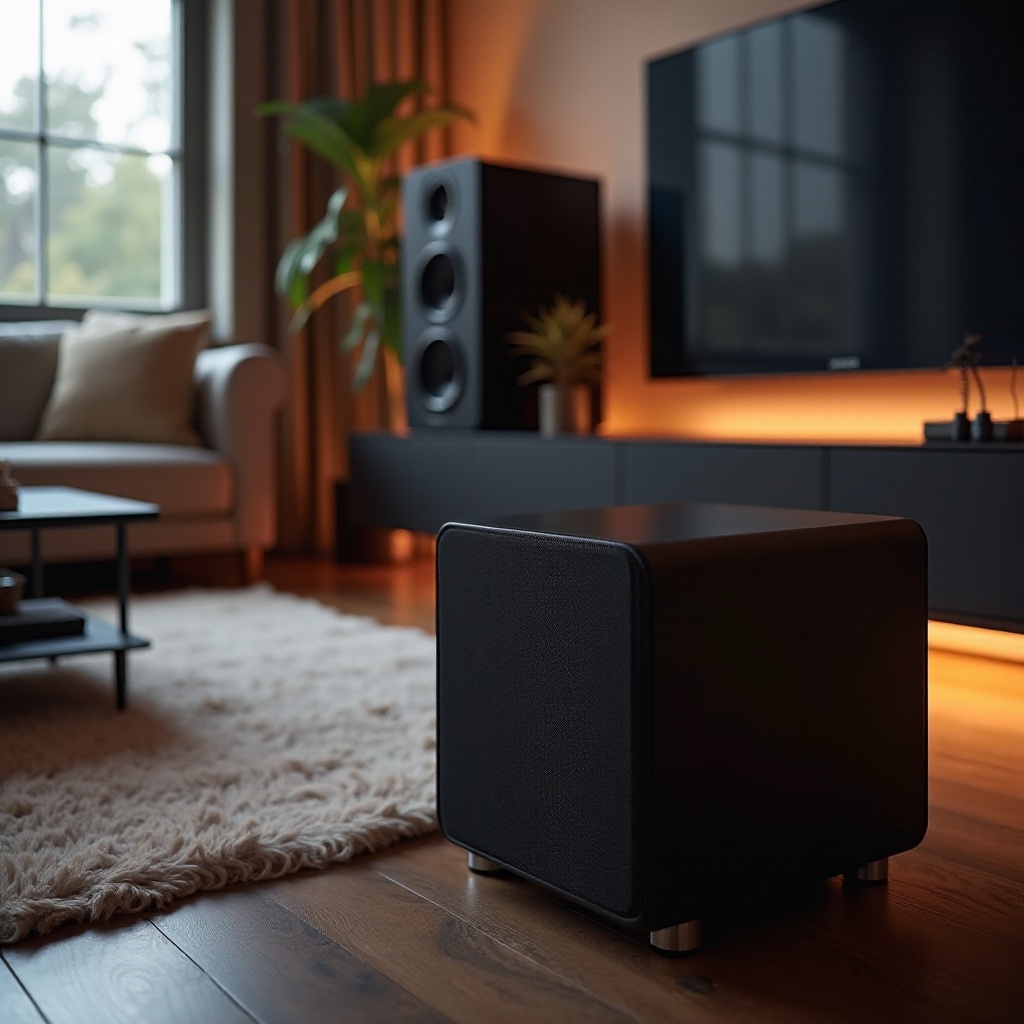
Understanding the Basics of Subwoofer Settings
Subwoofers reproduce low-frequency sounds, essential for a complete audio experience. They work alongside other speakers to deliver a balanced soundstage.
-
What is a Subwoofer?
A subwoofer is a specialized speaker designed to handle low-frequency sound waves, typically from 20 Hz to 200 Hz, that regular speakers might struggle to reproduce. -
The Role of a Subwoofer in Your Audio System
Subwoofers take the burden of producing bass from your main speakers, allowing them to render clearer mid and high-range frequencies. This division enhances the overall sound clarity and depth of your audio system.
Understanding the function of your subwoofer is the first step to optimizing its settings. Now, let’s explore how to fine-tune these settings for maximum impact.
Key Subwoofer Settings to Adjust for Optimal Performance
Several settings impact your subwoofer’s performance. Correct adjustment can significantly improve sound quality.
-
Crossover Frequency: Setting the Right Range
The crossover frequency is where the audio signal splits between the subwoofer and main speakers. Setting it right usually means setting it between 80 Hz and 100 Hz, depending on your specific setup. -
Subwoofer Volume: Balancing Bass with Other Speakers
Your subwoofer’s volume should complement, not overpower, the other speakers. Start at a moderate level and adjust gradually until the bass integrates well with the entire audio setup. -
Phase Setting: Achieving Synchronization
Phase settings ensure your subwoofer is in sync with other speakers, minimizing sound wave cancellation. Experiment with the phase control, often set at 0 or 180 degrees, to achieve the best sound integration.
With these settings optimized, you are closer to experiencing enhanced audio. Next, we will address the importance of your room’s setup.
Room Placement and Its Effects on Subwoofer Sound
Subwoofer placement plays a crucial role in sound performance. Proper positioning is vital for achieving optimal bass response.
-
Ideal Subwoofer Positioning
Position your subwoofer where you typically listen to audio, then walk around the room to identify where the bass sounds most balanced. Once you’ve identified the best spot, place the subwoofer there. -
Impact of Room Acoustics
Room size and furniture affect sound distribution. Larger rooms may benefit from multiple subwoofers or acoustic treatment to evenly disperse sound. Conversely, placing a subwoofer in a corner can enhance bass response but may introduce distortion.
Understanding how your room interacts with sound waves enables better subwoofer performance. Now, let’s discuss calibration tools for refining these settings.
Tips and Tools for Calibrating Your Subwoofer
Calibration ensures your subwoofer and speakers deliver the intended sound quality. Here’s how to achieve optimal calibration:
-
Manual Calibration Techniques
Use an SPL meter to measure audio output. Adjust the subwoofer and speaker levels to maintain a balanced sound, usually around 75 dB for home environments. This process may involve listening to pink noise or reference tracks. -
Using Calibration Software and Tools
Modern receivers often include auto-calibration tools, such as Audyssey or Dirac Live, which use a microphone to analyze audio levels and distances. These tools can accurately optimize system settings, often achieving better results than manual efforts.
Accurate calibration can significantly enhance your subwoofer’s performance. However, some issues may arise, which we’ll address next.
Troubleshooting Common Subwoofer Issues
Despite careful configuration, you might encounter some subwoofer-related challenges. Here are solutions to common problems:
-
Addressing Booming Sounds
Excessive boominess may result from settings that are too high. Try lowering your subwoofer’s volume or adjusting the crossover frequency. Moving the subwoofer away from walls can also ease booming sounds. -
Solutions for Weak or Muffled Bass
If your bass is weak or muffled, consider adjusting the phase setting or increasing the volume. Ensuring that cables are secure may also resolve these issues.
While fine-tuning and troubleshooting your system ensures optimal performance, remember that achieving perfect sound is an iterative process. With that, let’s wrap up our discussion.
Conclusion
Optimizing your subwoofer settings involves a balance of understanding the equipment, adjusting settings, and correct room placement. By following these tips and regular tweaks, your audio system will deliver an immersive and balanced sound experience. Enjoy your journey to perfect sound!
Frequently Asked Questions
What is the best crossover frequency setting for a subwoofer?
Most systems perform well with a crossover frequency between 80 Hz and 100 Hz, but this can vary based on room acoustics and speaker capabilities.
How can I reduce rattling from my subwoofer?
Try repositioning your subwoofer away from walls and secure any loose items in the room. Adjusting the phase and ensuring the settings are correct can help.
Is professional calibration necessary for subwoofers?
While not necessary, professional calibration can enhance sound quality, especially in complex setups or acoustically challenging environments.